
Portland Architecture Through the Decades
A snapshot of Portland’s design history, highlighting the major architectural styles that shaped the city and the neighborhoods where each remains most prominent.
Portland isn’t defined by a single style; it’s a city of layers, where Victorian gingerbread trim sits just blocks away from sleek sustainable infill projects. Each architectural era reflects the city’s growth, values, and personality. Here’s a look at the styles that have shaped Portland, and where you can still experience them today.
Victorian & Queen Anne (1880s–1910s)
Portland’s earliest boom brought ornate Victorians and Queen Annes, designed with flourish: steep gables, turrets, and decorative trim. Irvington and Ladd’s Addition hold some of the city’s best-preserved examples.
Design Traits: Towers, asymmetrical facades, wraparound porches.
Today’s Take: Many are lovingly restored; others inspire eclectic remodels blending historic detail with modern kitchens.
 Craftsman Bungalows (1910s–1930s)
The Craftsman movement defined Portland’s early 20th-century neighborhoods. These modest, detail-rich homes emphasized natural materials, broad front porches, and a sense of handcrafted character.
Design Traits: Low-pitched roofs, exposed rafters, built-in cabinetry, fireplaces as focal points.
Today’s Take: Still one of Portland’s most beloved styles, Craftsman homes balance charm with functionality. Restorations often blend preserved woodwork with modern kitchens and baths.
 Tudor Revival / English Cottage (1920s–1940s)
During the interwar years, Portland saw a boom of Tudor Revival and English Cottage homes, especially in neighborhoods like Laurelhurst, Alameda, and Eastmoreland. With steeply pitched roofs, arched doorways, and storybook charm, they offered a romantic departure from the clean lines of Craftsman homes.
Design Traits: Half-timbering, brick or stucco exteriors, tall chimneys, leaded-glass windows, steep gables.
Today’s Take: Tudor homes remain highly desirable for their character and curb appeal. Many are preserved with original details, and their solid construction has stood the test of time.
 Ranch Homes (1940s–1960s)
After World War II, Portland’s suburbs filled with ranch-style houses, built for efficiency and family living. These single-level homes with open layouts became the dominant style in East Portland, Parkrose, and Argay Terrace.
Design Traits: Single-story layouts, low-pitched roofs, attached garages, large picture windows, and simple horizontal lines.
Today’s Take: Ranches represent the everyday fabric of Portland housing. Many are being reimagined with modern finishes, open kitchens, and additions that bring them into the present while keeping their original practicality.
 Northwest Regional Modern (1940s–1970s)
Portland architects pioneered a style that blended modern design with the Pacific Northwest’s natural environment. Figures like John Yeon, Pietro Belluschi, and Saul Zaik emphasized wood, glass, and seamless indoor-outdoor flow.
Design Traits: Cedar and fir siding, broad overhanging eaves, floor-to-ceiling windows, open plans, deep rooflines.
Today’s Take: Considered Portland’s unique contribution to modern architecture, Northwest Regional Modern homes — like the landmark Watzek House — remain highly prized for their timeless integration with nature.
 Contemporary & Sustainable (1990s–Present)
Portland today is known for its eco-conscious, design-forward buildings. From LEED-certified towers in the Pearl District to infill townhomes and ADUs across inner neighborhoods, sustainability and livability define the city’s current era.
Design Traits: Open layouts, rooftop decks, sustainable materials, energy efficiency, and indoor-outdoor connections.
Today’s Take: These homes reflect Portland’s values of environmental stewardship, walkability, and urban vibrancy. Many set national standards for green design.
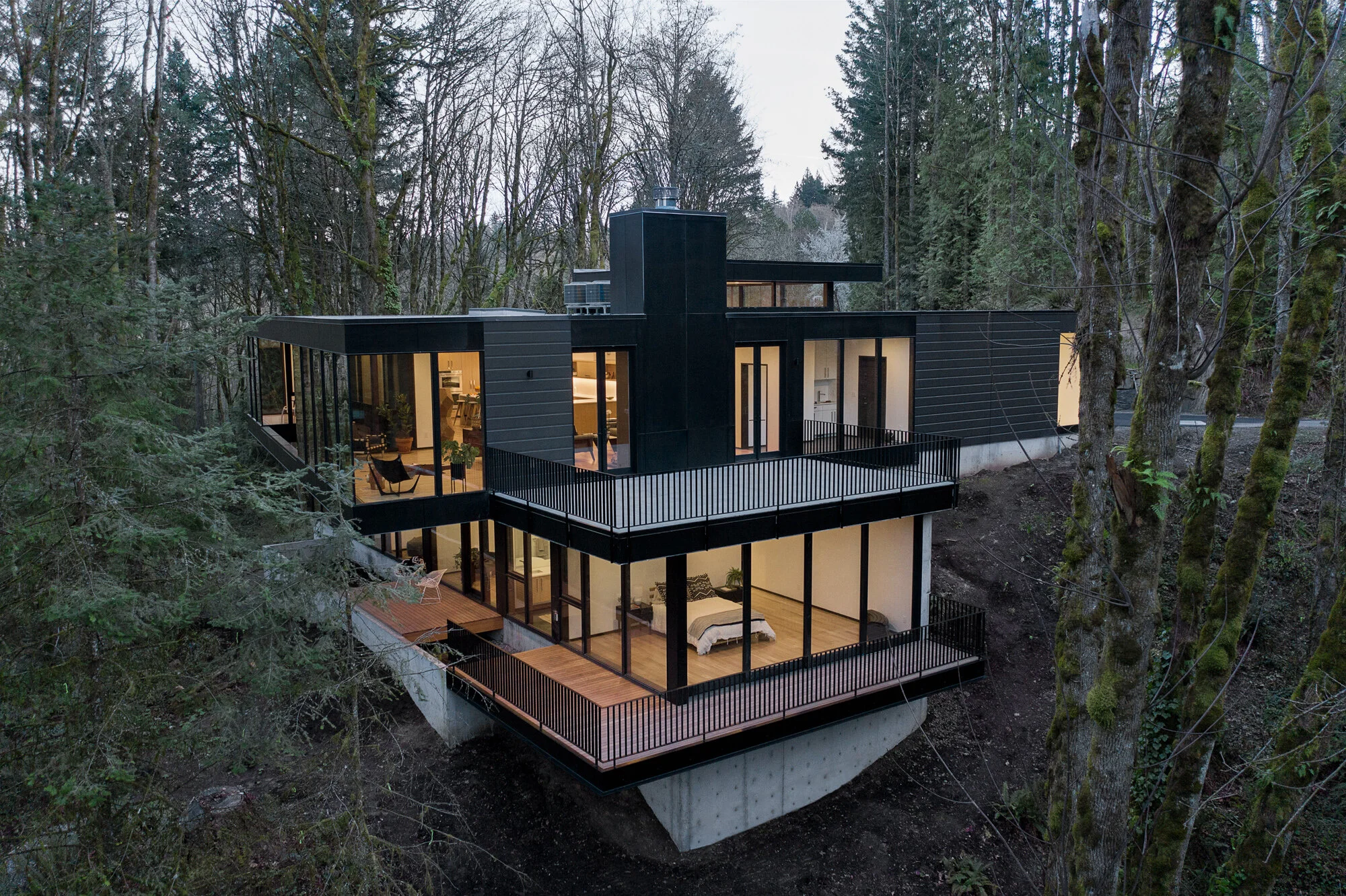 From ornate Victorians to cutting-edge green builds, Portland’s architecture is a living museum of design evolution. Whether you admire historic craftsmanship or modern minimalism, each neighborhood offers its own architectural journey. Interested in exploring homes from your favorite era? Browse our Curated Homes and discover Portland’s design DNA.